
An Individual’s Connection to Nature Can Affect Perceived Restorativeness of Natural Environments.
The positive effects of Nature may depend on the degree of immersion; in other words, the effects of Nature exposure may be more robust when individuals are more fully immersed in these environments and more fully “present” in their context compared with when they are exposed to “reproduced” Nature and distracted by thoughts and/or external stimuli unrelated to the natural environments.
When immersed, individuals more fully attend to the characteristics of their surroundings, they recognize and contact more aspects of the natural environment.
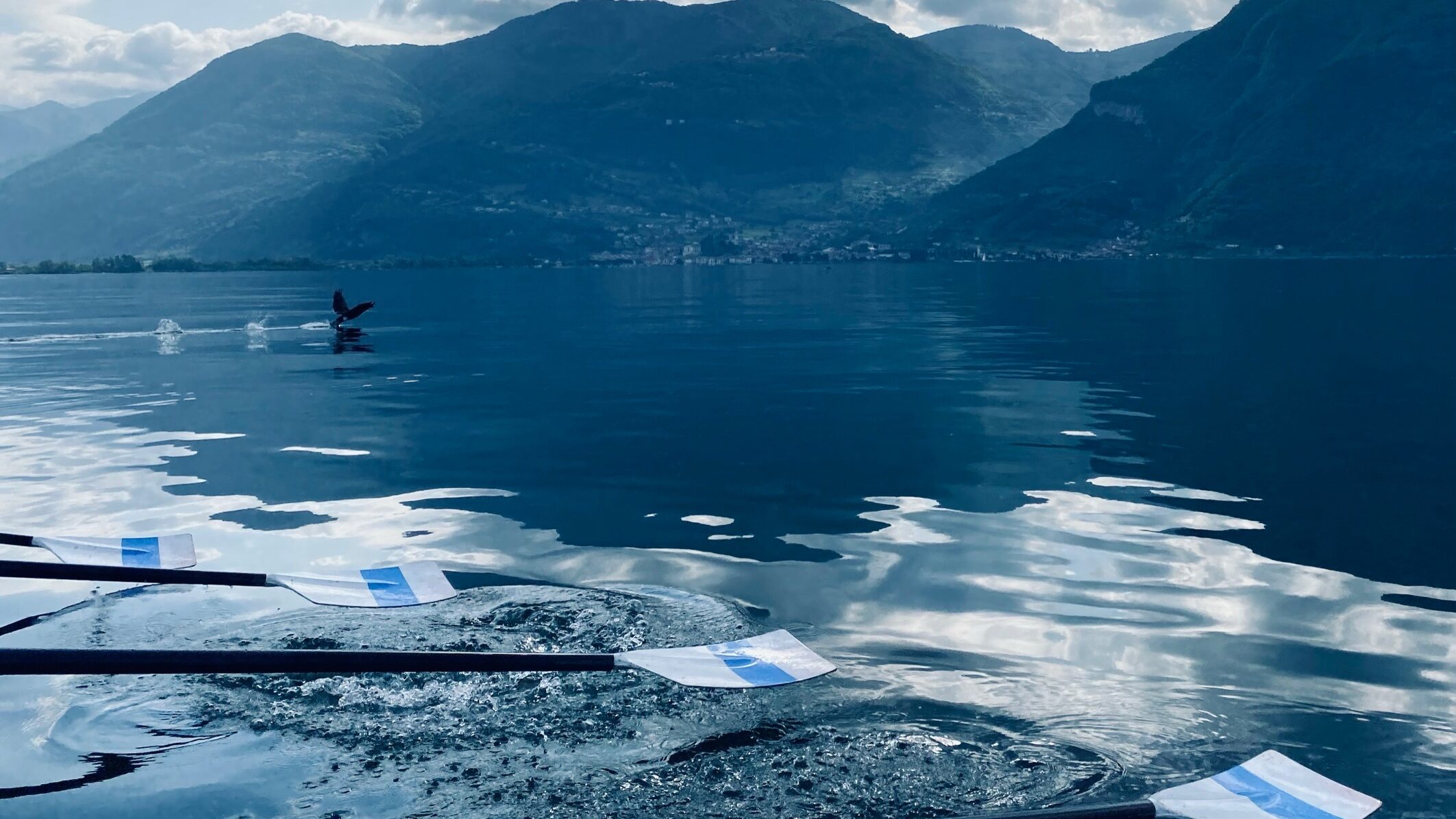
It is on this basis that the Watersport4green project was born, those who practice water sports are truly immersed in the ‘water’ environment they frequent and its ability to know the mutations, the beauty, the uniqueness. From this idea the Water quality awareness day was born.
How to join
1st step: take a bin, a bag, take your boat and collect rubbish you find on your tour, on lakes, rivers or sea.
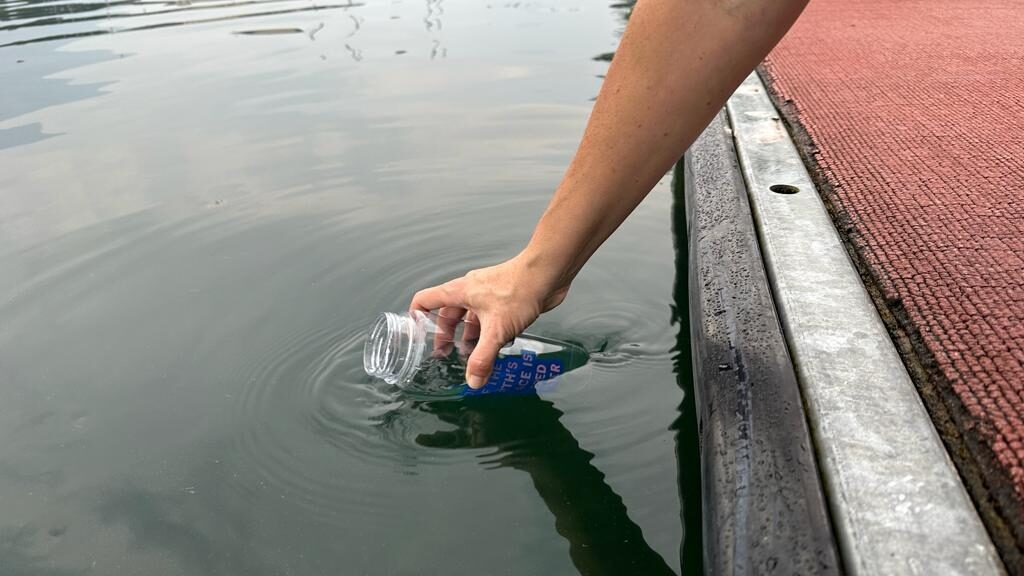
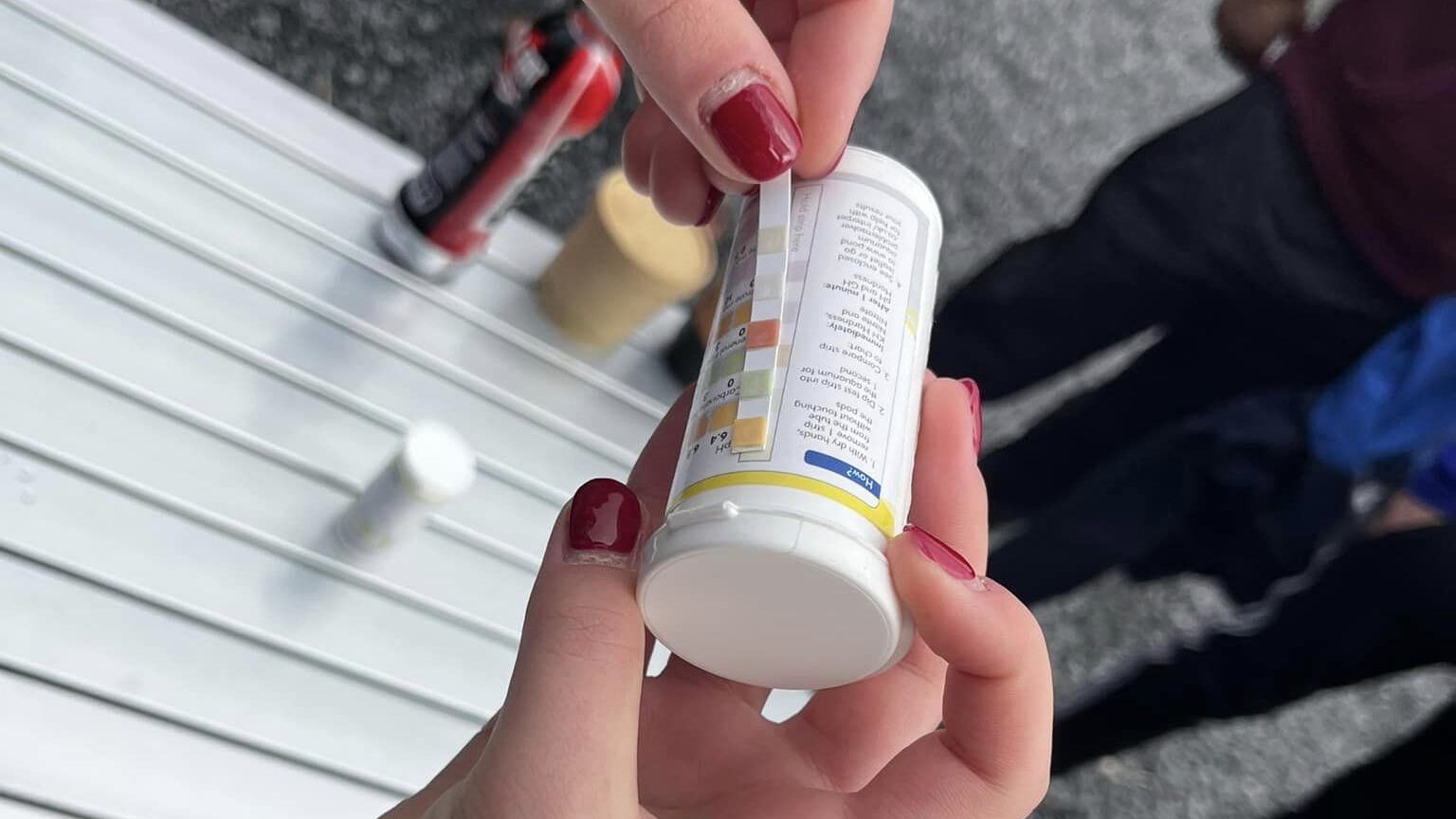
2nd step: do you live near a river or a lake? Collect water samples at various points in the basin, take Water Testing Kits for Drinking Water (20 Euro approx), dip it into the samples, check and compare the results. Don’t you have the kit? Just answer to our datasheet and take a photo of the water facing upstream, report and dirty looking water out algae or foam on the surface!
3rd step answer to tell us what you see (Google form)
Eng version Water quality test awareness datasheet
Italian version Raccolta dati Water test
Versão em português Formulários de coleta de dados
4th step: take a photo of you and your group post on FB or Instagram using #w4gday #waterqualityawareness
We believe we can’t truly understand what’s going on in our lakes, sea and rivers without gathering evidence to show how healthy or unhealthy they are.
For the seas it would be very expensive to carry out analyzes, but the collection of plastics and waste on the coasts and in the water is a necessary action. Plastic floating in the seas irreparably damages 690 marine species. 17% of these, due to pollution, are now at risk of extinction.
Comments are closed